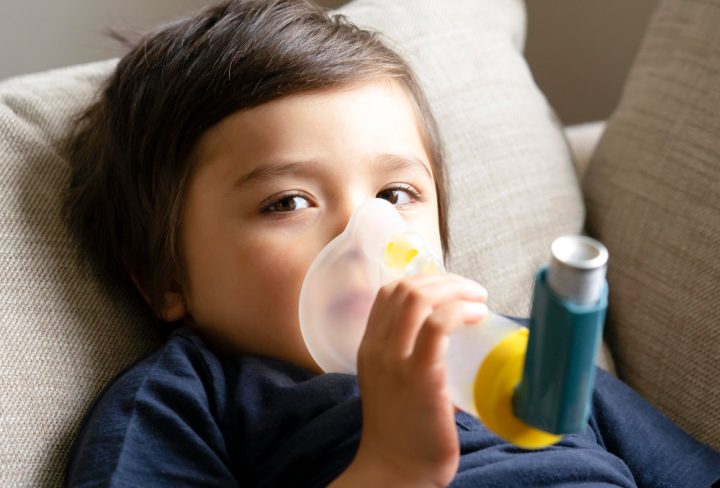
Allergic asthma in children is a common condition where a child’s airways react to allergens. These allergens can include dust, pollen, or pet dander. When a child with allergic asthma breathes in these triggers, their airways swell and tighten. As a result, it becomes hard for them to breathe. Because allergic asthma in children can affect daily life, early recognition and proper care are important. With the right steps, families can help their children lead healthy, active lives.
Symptoms of Allergic Asthma in Children
Children with allergic asthma may show different signs. However, some symptoms are more common than others. Knowing these can help parents spot problems early.
Sometimes, symptoms get worse after contact with allergens. For example, playing outside during pollen season may trigger an attack.
Causes and Risk Factors
Allergic asthma in children happens when the immune system reacts strongly to harmless things. These things are called allergens. Because each child is different, triggers can vary. However, some allergens are more common than others.
In addition, other factors can raise the risk of allergic asthma. For instance, children with a family history of allergies or asthma are more likely to develop it. Exposure to tobacco smoke, air pollution, or respiratory infections can also increase risk. Living in certain areas, such as cities with high pollution, may make symptoms worse.
Diagnosis
Doctors use several steps to diagnose allergic asthma in children. First, they ask about symptoms and family history. Next, they may do a physical exam. If asthma is suspected, the doctor may order tests such as:
Sometimes, doctors may use chest X-rays or other tests to rule out other problems. If your child has frequent coughing, wheezing, or trouble breathing, it is important to see a doctor. Early diagnosis helps prevent serious attacks and improves quality of life.
Treatment Options
Treating allergic asthma in children involves several steps. The main goals are to control symptoms and prevent attacks. Doctors may suggest:
Besides medicine, managing triggers is key. For example, keeping the home clean, using air filters, and avoiding pets may help. Doctors will create a plan based on each child’s needs. Regular check-ups are important to adjust treatment as needed.
Lifestyle Tips and Prevention
Families can take steps to help manage allergic asthma in children. These tips may reduce the chance of attacks:
In addition, teaching children to recognize their symptoms helps them manage their condition. If you live in a city with high air pollution, check daily air quality reports and limit outdoor play on bad days.
When to Seek Medical Help
Sometimes, allergic asthma in children can become serious. Seek medical help right away if your child:
If you are unsure, it is always safer to call your doctor or visit the nearest clinic. Quick action can prevent serious problems.
For personalized advice on allergic asthma management, consult a pediatric specialist.