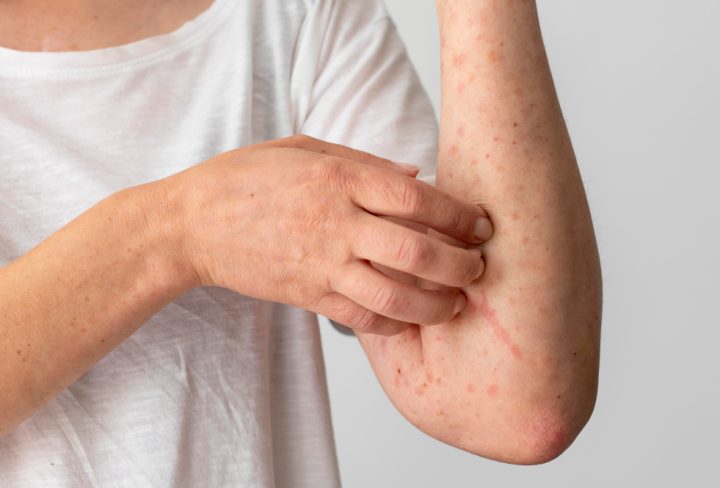
What Are Skin Infections and Rashes in Children?
Skin infection and rashes in children are common health concerns. Many parents worry when they see red spots, bumps, or patches on their child’s skin. Often, these changes are caused by infections, allergies, or irritation. While most rashes are mild, some may need medical care. Therefore, knowing the basics can help you keep your child safe and healthy.
Common Symptoms and Warning Signs
Children can develop many types of skin rashes and infections. However, some symptoms are more common than others. Watch for these signs:
Sometimes, a rash spreads quickly or comes with other symptoms. In these cases, it is important to pay close attention. For example, if your child has trouble breathing or a high fever, seek help right away.
Main Causes and Risk Factors
There are many causes of skin infection and rashes in children. Some of the most common include:
Children are at higher risk if they have:
Because children play and explore, they often touch many surfaces. This increases their chance of getting skin infections and rashes.
How Skin Infections and Rashes Are Diagnosed
Doctors usually start with a physical exam. They look at the rash’s shape, color, and location. Sometimes, they ask about recent illnesses, allergies, or contact with sick people. In some cases, the doctor may:
Early diagnosis helps prevent problems and guides the right treatment. Therefore, do not wait too long to seek advice if you are unsure.
Treatment Options and Home Care Tips
Treatment for skin infection and rashes in children depends on the cause. For mild cases, home care may be enough. However, some infections need medicine. Common treatments include:
At home, you can help your child by:
Always follow your doctor’s advice. If symptoms get worse, call your healthcare provider.
Prevention Strategies for Parents and Caregivers
Preventing skin infection and rashes in children is possible with simple steps. Try these tips:
Additionally, keep your child’s nails short and clean. This helps prevent scratching and spreading germs. If your child is sick, keep them home from school or daycare until they recover.
When to Seek Medical Help
Most skin rashes in children are mild and go away on their own. However, you should call a doctor if your child:
Early treatment can prevent serious problems. Therefore, do not wait if you are worried about your child’s health.
Conclusion
Skin infection and rashes in children are common but often mild. With good hygiene and quick care, most children recover well. However, some cases need a doctor’s help. For personalized advice regarding your child’s skin health, consult a pediatrician.