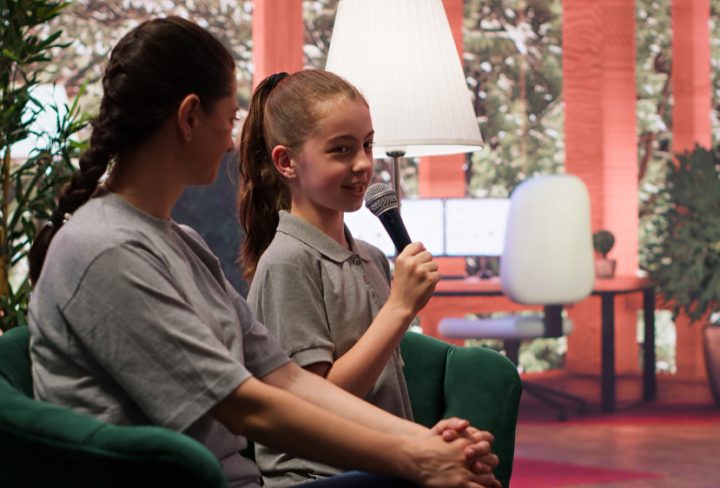
Introduction: Why Strong Communication Skills Matter
Building strong voices: social & workplace communication mastery is key for children and teens. Good communication helps kids share ideas, make friends, and work well with others. In fact, strong pediatric communication skills also prepare teens for future jobs. When children speak clearly and listen well, they feel more confident. Moreover, these skills help them solve problems and handle stress. Early support can make a big difference in a child’s life.
Symptoms: Signs of Communication Challenges in Kids
Sometimes, children struggle with social or workplace communication. But how can you spot these issues? Here are some common signs:
Additionally, some kids may avoid group activities or seem shy. If you notice these signs, it may be time to seek help.
Causes: Why Do Communication Difficulties Happen?
There are many reasons why a child may have trouble with communication. For example, some children have speech or language delays. Others may have hearing problems or learning disabilities. Sometimes, social anxiety or autism can affect child social communication. In some cases, a lack of practice or support at home can play a role. Even frequent moves or changes in school can make it harder for kids to build strong voices.
Diagnosis: How Professionals Assess Communication Skills
When a child shows signs of communication challenges, experts can help. First, a pediatrician may check for hearing or speech issues. Next, a speech-language pathologist will test how the child speaks, listens, and understands. They may use games, pictures, or simple questions. Sometimes, teachers or counselors also share their observations. This team approach helps find the best ways to support the child.
Treatment: Building Strong Voices with Evidence-Based Strategies
There are many ways to help children master communication. Evidence-based therapies can make a big difference. Some common treatments include:
With regular support, most children make steady progress. Importantly, early help leads to better results.
Lifestyle Guidance: Tips for Parents and Caregivers
Parents and caregivers play a big role in building strong voices. Here are some practical tips:
Also, support your child in joining clubs or group activities. These experiences help build child social communication skills in real-life settings.
Prevention: Early Steps to Foster Effective Communication
Early habits can prevent many communication problems. For instance, talking and reading with young children every day builds strong language skills. Limiting screen time and encouraging face-to-face play also helps. If you notice any delays, seek help early. The CDC and WHO recommend regular hearing and speech checks for young children. Early support gives kids the best chance to succeed in school and at work later on.
Conclusion: Take the Next Step
Strong communication skills open doors for children and teens. With early support and practice, every child can build a strong voice. Consult a pediatric specialist for personalized guidance on building strong communication skills.