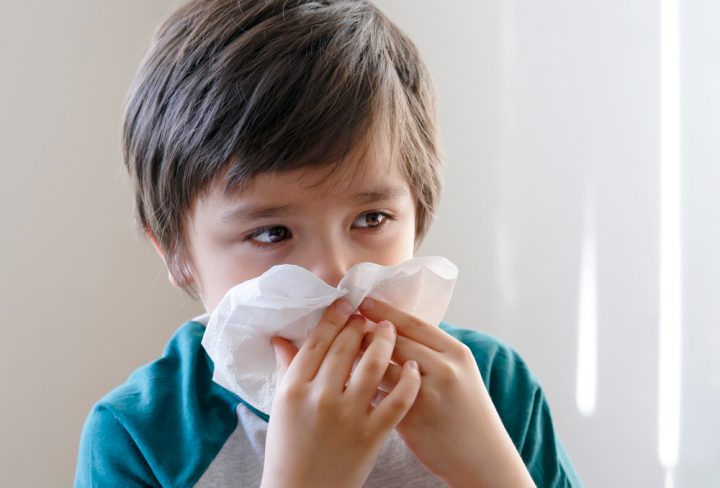
Dust allergies in children are common and can affect daily life. These allergies happen when a child’s immune system reacts to tiny particles in dust. Because children spend much time indoors, dust allergies can cause frequent discomfort. Therefore, knowing the signs and how to manage dust allergies in children is important for every parent and caregiver.
Symptoms of Dust Allergies in Children
Dust allergy symptoms in children can look like a cold. However, these symptoms often last longer and may come back often. Early recognition helps in managing the condition better. Common signs include:
Sometimes, dust allergies can also trigger asthma symptoms in children. For example, your child may have chest tightness or shortness of breath.
Causes and Risk Factors
Dust allergies in children are mainly caused by the body’s reaction to dust mites. Dust mites are tiny bugs that live in house dust. They thrive in warm, humid places. Besides dust mites, other triggers include pet dander, mold, and pollen that collect in dust. Because children have developing immune systems, they may react more strongly to these triggers.
Common sources of dust allergens include:
Additionally, children with a family history of allergies or asthma are at higher risk. Living in areas with high humidity or poor ventilation can also increase the chances of developing dust allergies.
Diagnosis
If you suspect your child has dust allergies, a pediatrician can help. First, the doctor will ask about your child’s symptoms and medical history. Next, a physical exam will be done. Sometimes, the doctor may recommend allergy testing. Skin prick tests are common and involve placing a small amount of allergen on the skin. If the skin reacts, it suggests an allergy. Blood tests may also be used to check for allergy-related antibodies. Early diagnosis helps in choosing the right dust allergy treatment for kids.
Treatment Options
Treating dust allergies in children involves both medical care and changes at home. Your doctor may suggest:
At home, you can help your child by:
Because every child is different, always follow your pediatrician’s advice for dust allergy treatment for kids.
Prevention and Lifestyle Tips
Although dust allergies cannot always be cured, you can reduce your child’s exposure. Here are some helpful tips on how to prevent dust allergies:
With these steps, you can help manage dust allergy symptoms in children and make your home safer.
When to See a Pediatrician
Sometimes, dust allergies in children can become serious. You should contact your pediatrician if:
Early medical advice can prevent complications and help your child feel better sooner.
Frequently Asked Questions
Can dust allergies cause asthma in children?
Yes, dust allergies can trigger asthma symptoms in some children. If your child has a cough, wheezing, or trouble breathing, talk to your doctor.
Are dust allergies in children lifelong?
Not always. Some children outgrow their allergies, while others may have symptoms into adulthood. Regular care can help manage symptoms.
What is the best way to clean a child’s room?
Use a damp cloth to dust surfaces. Wash bedding in hot water weekly. Vacuum carpets with a HEPA filter. Remove clutter and stuffed toys when possible.
Can air purifiers help with dust allergies?
Yes, air purifiers with HEPA filters can reduce dust and allergens in the air. Place them in your child’s bedroom for best results.
Should my child avoid pets if they have dust allergies?
Pet dander can make dust allergies worse. If possible, keep pets out of your child’s bedroom and clean pet areas often.
Conclusion
Dust allergies in children can be managed with the right steps. By knowing the symptoms and making changes at home, you can help your child feel better. If you have concerns, consult your pediatrician for personalized advice and treatment.