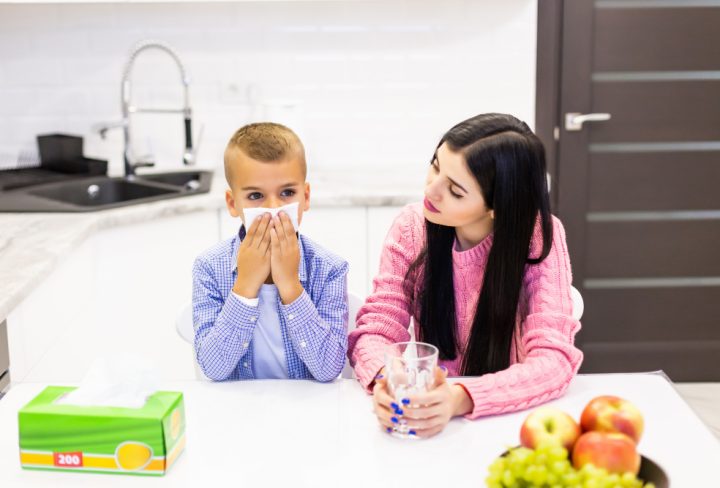
What Are Food Allergies in Children?
Food allergies in children are common and can affect kids of any age. When a child eats certain foods, their immune system may react. This reaction can cause mild or severe symptoms. For example, some children may get hives, while others may have trouble breathing. Early recognition is important. Parents often search for information on pediatric food allergy symptoms, managing food allergies in kids, and preventing food allergies. Knowing the basics helps keep children safe and healthy.
Common Symptoms of Food Allergies
Food allergies can show up in many ways. Sometimes, symptoms appear within minutes. Other times, they may take a few hours. However, it is important to watch for signs after your child eats a new food. Here are some common symptoms:
Not all children have the same symptoms. In fact, some may have only mild signs, while others may have a severe reaction called anaphylaxis. Always take symptoms seriously.
Causes and Risk Factors
Food allergies happen when the immune system mistakes certain foods as harmful. As a result, the body reacts to protect itself. The most common foods that cause allergies in children include:
Some children are more likely to develop food allergies. For example, if a parent or sibling has allergies, the risk is higher. Also, children with eczema or asthma may have a greater chance of developing food allergies. Early exposure to certain foods may also play a role, but research is ongoing. According to the CDC, food allergies are becoming more common in children.
Diagnosis and Testing
If you think your child has a food allergy, talk to a doctor. The doctor will ask about your child’s symptoms and medical history. Next, they may suggest tests to confirm the allergy. Common tests include:
Testing should always be done by a healthcare professional. Never try to test for allergies at home, as reactions can be severe.
Treatment and Management
Once a food allergy is diagnosed, the main treatment is to avoid the food. However, accidental exposure can happen. Therefore, parents should always read food labels and ask about ingredients when eating out. For children with severe allergies, doctors may prescribe an epinephrine auto-injector. This device can stop a life-threatening reaction. Teach your child and caregivers how to use it. In addition, keep an allergy action plan handy at school and home. Managing food allergies in kids takes teamwork and planning.
Prevention Tips for Parents
While not all food allergies can be prevented, some steps may lower the risk. Here are some tips for parents:
Prevention is not always possible, but these steps can help reduce the risk. For more tips, check reliable sources like the CDC or WHO.
When to Seek Medical Help
Sometimes, food allergies can cause a severe reaction called anaphylaxis. This is a medical emergency. Call 911 or your local emergency number right away if your child:
Even mild symptoms can become serious. Therefore, always watch your child closely after they eat a new food. Quick action can save lives.
In summary, food allergies in children require careful attention and planning. Early diagnosis and proper management help keep your child safe. Consult a pediatrician for personalized advice on managing food allergies in children.