Introduction
Chronic otitis media in children is a common health issue. Otitis media means an infection or inflammation of the middle ear. When ear infections happen often or last a long time, they are called chronic or recurrent. In fact, many children in the United States experience these problems. According to the CDC, ear infections are one of the main reasons children visit doctors. Early care can help prevent hearing loss and other problems.
Symptoms of Chronic or Recurrent Otitis Media in Children
Recognizing symptoms early can help parents seek care. While symptoms may vary, children often show these signs:
Sometimes, symptoms are mild. However, repeated infections can affect hearing and speech development.
Common Causes and Risk Factors
Many factors can lead to chronic or recurrent ear infections in kids. For example, children have shorter and more horizontal Eustachian tubes, which connect the middle ear to the throat. This makes it easier for germs to reach the ear. Other risk factors include:
Additionally, children under age five are at higher risk.
Diagnosis Methods
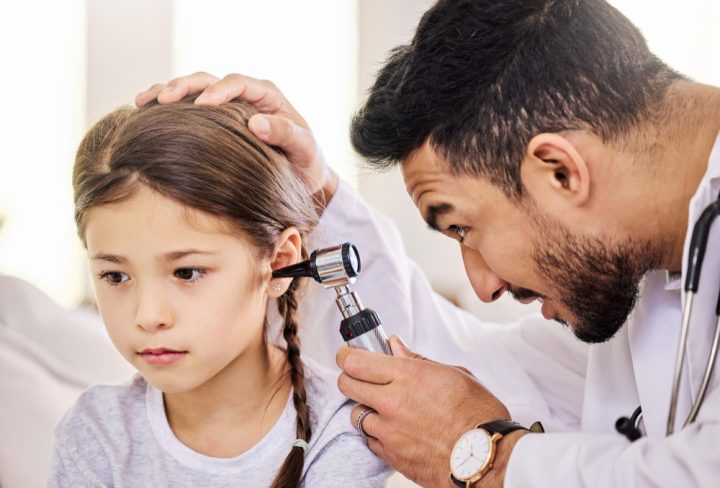
Doctors use several methods to diagnose chronic otitis media in children. First, they ask about symptoms and medical history. Next, they examine the ear with a special tool called an otoscope. This helps them see if the eardrum is red, bulging, or has fluid behind it. Sometimes, hearing tests or tympanometry (which checks eardrum movement) are needed. If your child has frequent ear infections or symptoms last more than three months, it is important to see a doctor.
Treatment Options
Treatment for ear infections in kids depends on the cause and severity. Often, doctors start with medicine. For example, they may prescribe antibiotics if bacteria are the cause. Pain relievers like acetaminophen or ibuprofen can help with discomfort. However, not all ear infections need antibiotics. Sometimes, doctors recommend watchful waiting to see if symptoms improve on their own.
For children with chronic or recurrent otitis media, other treatments may include:
Always follow your doctor’s advice for the best results.
Home Care and Lifestyle Tips for Parents
Parents can help children feel better at home. For instance, you can:
But remember, do not put anything inside the ear unless your doctor says it is safe.
Prevention Strategies
There are steps you can take to lower your child’s risk of recurrent ear infections. For example:
These habits can help keep your child healthy.
When to Seek Urgent Medical Attention
Sometimes, ear infections can become serious. Seek urgent care if your child:
Quick action can prevent complications.
Conclusion
Chronic or recurrent otitis media in children can affect their health and development. However, early diagnosis and proper treatment can help. For personalized guidance, consult a pediatrician. Your child’s health and hearing are important, so do not wait to seek expert advice.