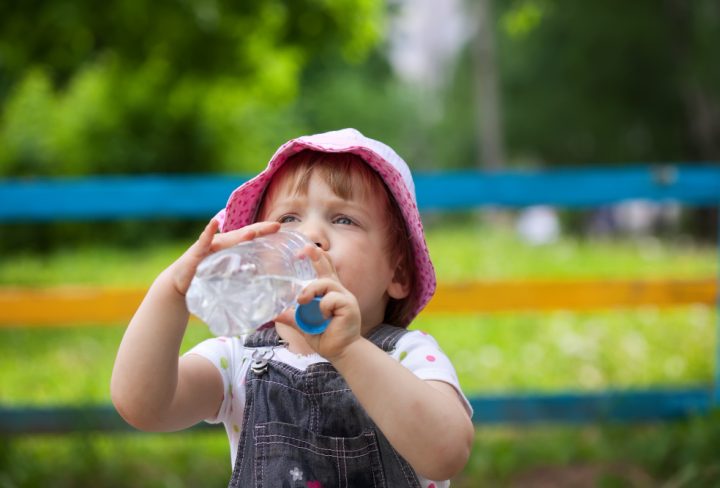
Summer brings hot days and lots of outdoor fun. However, it also means children can lose fluids quickly. Because of this, it is important to keep your child hydrated in summers. Proper hydration helps your child stay active, healthy, and happy. In this blog, you will learn why hydration matters, signs of dehydration, and easy ways to help your child drink enough fluids.
Why Hydration Matters for Children in Summer
Children are more likely to get dehydrated than adults. Since kids play outside often, they sweat more and lose water faster. Also, their bodies do not cool down as well as adults. For this reason, drinking enough fluids is key during hot weather. Hydration supports healthy growth, keeps energy levels up, and helps the body work well. According to the CDC, children need more fluids in hot weather to prevent health problems.
Signs of Dehydration in Kids
It is important to spot dehydration early. If you notice these signs, your child may need more fluids:
If you see these symptoms, offer fluids right away. But if symptoms get worse, you should seek medical help.
Practical Tips to Keep Your Child Hydrated
There are many simple ways to help your child drink more water. Here are some easy hydration tips for kids:
Additionally, you can use apps or timers to remind kids to drink water. This helps prevent dehydration in children, especially during outdoor activities.
Healthy Drinks and Foods for Hydration
Water is the best choice for hydration. However, you can also offer other healthy drinks and foods. For example, try these options:
But avoid sodas and energy drinks, as they can make dehydration worse.
Preventing Dehydration: Lifestyle and Routine Changes
Small changes in daily routine can help keep kids hydrated. For instance, you can:
Moreover, make sure your child rests often and avoids too much sun.
When to Seek Medical Help
Sometimes, dehydration can become serious. You should call your doctor if your child:
Early treatment can prevent serious health problems. The World Health Organization and CDC both stress the importance of quick action if you notice these signs.
In summary, keeping your child hydrated in summers is simple with a few daily habits. For more guidance, consult your pediatrician for personalized advice on keeping your child hydrated this summer.