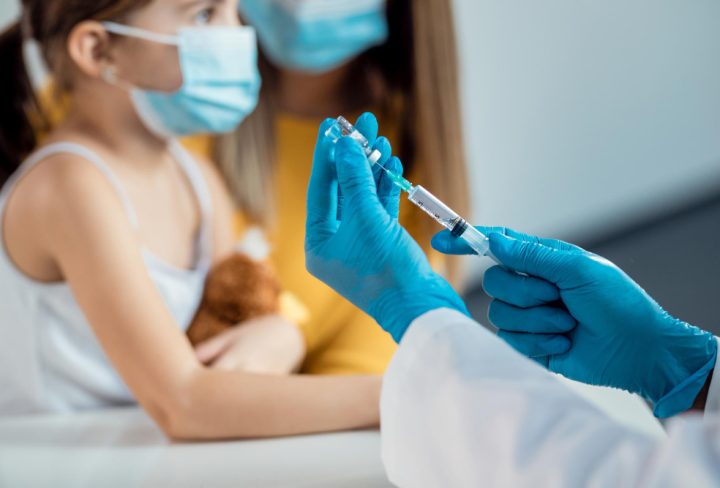
Introduction to Essential Private Vaccines for Kids
Every parent wants to keep their child safe from disease. While government programs offer many vaccines, some important ones are only available privately. These are called essential private vaccines for kids. They protect against diseases not covered in public schedules. Because these vaccines can prevent serious illness, knowing about them is important for every parent.
What Are Essential Private Vaccines?
Essential private vaccines are extra shots that protect children from more diseases. They are not part of the government’s free immunization plan. However, many doctors recommend them for better protection. For example, these vaccines can help prevent illnesses that are common in some areas or have severe effects on children.
List of Essential Private Vaccines Not in Government Schedules
Some vaccines are only available through private clinics. Here are common recommended vaccines for children that are not usually included in public programs:
Each of these vaccines protects against a different disease. For instance, the rotavirus vaccine helps prevent severe diarrhea, while the HPV vaccine protects against certain cancers later in life.
Recommended Ages and Private Vaccination Schedule for Children
Knowing the private vaccination schedule for children helps parents plan. Here is a simple guide:
Always check with your pediatrician, as schedules may change based on your child’s health and local disease risks.
Benefits and Potential Side Effects
Private vaccines offer many benefits. For example, they can:
However, like all vaccines, side effects can happen. Most are mild, such as:
Serious reactions are rare. Still, if you notice anything unusual, contact your doctor right away. According to the CDC and WHO, the benefits of vaccination far outweigh the risks.
How to Access Private Vaccines
Accessing private vaccines is simple. First, visit a private clinic or hospital. Next, ask your pediatrician about the essential private vaccines for kids. They will guide you on the best options. In many cities, private vaccines are widely available. However, it is wise to check with your local healthcare provider for details.
Cost Considerations and Insurance Coverage
Private vaccines are not free. Their cost can vary based on the vaccine and the clinic. Some health insurance plans may cover part or all of the cost. Therefore, always check with your insurance provider. If you do not have coverage, ask your doctor about payment plans or discounts. Planning ahead can help manage costs.
Tips for Parents on Making Informed Decisions
Making choices about vaccines can feel overwhelming. Here are some tips to help:
With the right information, you can make the best choice for your child’s health.
Prevention and Long-Term Health Benefits
Vaccines do more than protect your child now. Over time, they help prevent outbreaks in your community. For example, when more children are vaccinated, diseases spread less easily. This keeps everyone safer. In addition, some vaccines, like HPV, can prevent certain cancers later in life. Therefore, investing in private vaccines is a step toward a healthier future for your child.
Conclusion
In summary, essential private vaccines for kids offer extra protection beyond government programs. They help prevent serious diseases and support long-term health. For the best advice, consult your pediatrician for personalized vaccine recommendations for your child.