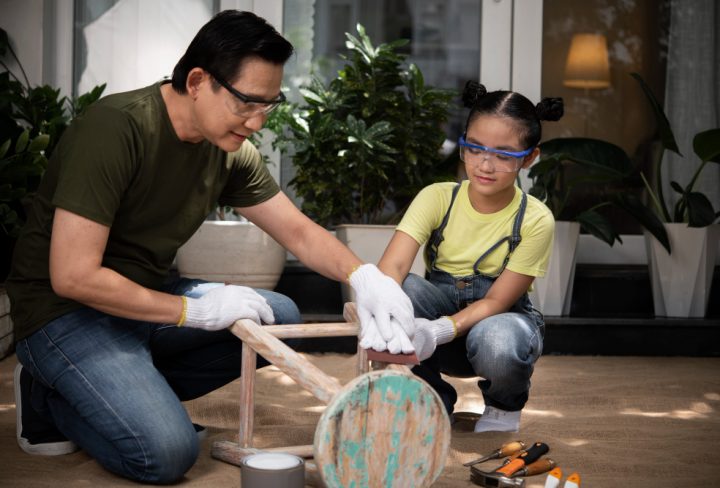
Children grow and change quickly. As they do, they move from needing help to doing things on their own. This journey is called the transition from guided to independent life skills. Pediatric life skills development helps children learn to care for themselves, make choices, and solve problems. These independent living skills for children are important for reaching childhood independence milestones. In this blog, we will explore how life skills transform in pediatrics and how parents can help.
What Are Life Skills in Pediatrics?
Life skills in pediatrics are basic abilities children need to live, learn, and grow. These skills help children handle daily tasks, interact with others, and solve problems. For example, brushing teeth, making friends, and choosing what to wear are all life skills. In addition, these skills help children become more independent as they get older. According to the World Health Organization (WHO), life skills are key for healthy development and well-being.
Why Is the Transition from Guided to Independent Important?
As children grow, they need to do more things on their own. This transition from guided to independent life skills is important for many reasons. First, it builds confidence and self-esteem. Also, it prepares children for school and later life. When children learn to solve problems and make choices, they feel proud. Moreover, these skills help them face new challenges. In the long run, children who master independent living skills are more likely to succeed as adults.
Key Life Skills That Transform
Many life skills change as children grow. Some of the most important skills include:
Each skill starts with adult help. Over time, children learn to do these tasks on their own.
Stages of Developing Independence
Children reach independence in steps. Each stage has its own milestones. For example, toddlers may start feeding themselves with a spoon. Later, preschoolers learn to dress with little help. School-age children can pack their own bags and make simple choices. As children grow, parents shift from doing tasks for them to guiding and then letting them try alone.
Each child develops at their own pace, but these milestones are common.
How Parents and Caregivers Can Support
Parents and caregivers play a big role in building independence. Here are some tips to help children develop life skills:
With support, children gain confidence and learn faster.
Common Challenges and Solutions
Sometimes, children struggle with new skills. They may feel frustrated or afraid to fail. However, there are ways to help:
According to the CDC, early support and patience can help children overcome most challenges.
Prevention and Early Intervention
Early support can prevent delays in life skills development. For example, noticing problems early allows for quick help. Pediatricians and therapists can check for delays and suggest activities. In addition, parents can watch for signs like trouble with self-care or social skills. Early intervention often leads to better outcomes. Therefore, regular check-ups and open communication with your child’s doctor are important.
Conclusion
In summary, the journey from guided to independent life skills in pediatrics shapes a child’s future. With the right support, children can master key skills and reach important milestones. If you have concerns or want more advice, consult a pediatric specialist for personalized guidance on supporting your child’s independence.