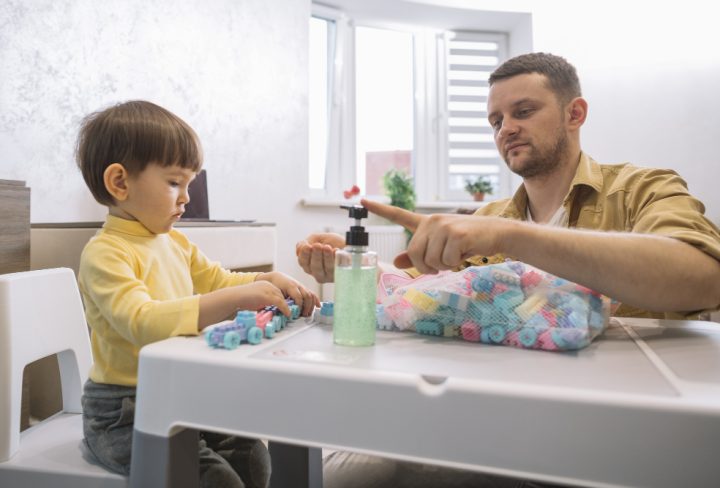
Many children have unique sensory needs. Understanding these needs is important for their growth and happiness. Sensory needs in children affect how they react to sights, sounds, touch, taste, and movement. When these needs are not met, children may struggle at home or school. Thankfully, there are effective therapy approaches that can help. In this blog, we will explain sensory needs, their causes, symptoms, and the best ways to support children through therapy and daily life.
What Are Sensory Needs in Children?
First, let’s talk about sensory processing. Sensory processing is how the brain receives and responds to information from the senses. Some children process these signals differently. As a result, they may feel overwhelmed or underwhelmed by things like noise, touch, or movement. For example, a child might cover their ears at loud sounds or avoid certain textures. These reactions are signs of sensory challenges. Understanding these signs can help parents and caregivers support their children better.
Causes of Sensory Processing Issues
There are several reasons why children may have sensory processing issues. Sometimes, these challenges are linked to conditions like autism spectrum disorder or attention deficit hyperactivity disorder (ADHD). However, sensory needs can also appear in children without any other diagnosis. Genetics may play a role, as sensory issues can run in families. In some cases, early birth or problems during pregnancy can contribute. While the exact cause is not always clear, knowing the possible factors can help families seek the right support.
Recognizing Symptoms of Sensory Needs
Children with sensory needs may show different symptoms. Early recognition is key. Look for these common signs:
If you notice several of these signs, your child may have sensory processing challenges.
Diagnosis and Assessment
When sensory needs are suspected, a healthcare professional can help. Usually, a pediatrician or occupational therapist will start with a detailed history. They may ask about your child’s behavior at home and school. Next, they might use checklists or observe your child during play. Sometimes, standardized tests are used to measure sensory responses. Early assessment is important because it helps create a plan that fits your child’s needs. According to the CDC, early diagnosis leads to better outcomes for children with sensory challenges.
Effective Therapy Approaches
There are several evidence-based therapies for sensory needs. Occupational therapy is one of the most common. In this therapy, children practice everyday tasks in a safe, structured way. For example, they might play with different textures or practice dressing themselves. Sensory integration therapy is another approach. Here, therapists use fun activities to help children respond better to sensory input. For instance, swinging, jumping, or playing with sand can help. Some children also benefit from speech therapy or physical therapy, depending on their needs. These therapies are tailored to each child, making them more effective.
Home and Lifestyle Guidance
Parents and caregivers play a big role in supporting children with sensory needs. Here are some helpful tips:
With these steps, children often feel more secure and confident.
Prevention and Early Intervention
Early recognition of sensory needs can make a big difference. When parents and teachers notice signs early, children can get help sooner. Early intervention programs, supported by the WHO and CDC, show better results for children’s learning and social skills. Even simple changes at home or school can help prevent bigger challenges later. So, acting early is always best.
When to Consult a Specialist
If your child’s sensory needs affect daily life, it is time to seek help. A pediatric specialist or occupational therapist can guide you. During the visit, they will ask about your child’s history and watch how they respond to different activities. After assessment, they will suggest the best therapy plan. Remember, getting help early leads to better outcomes for your child.
In summary, understanding sensory needs in children is important for their well-being. Effective therapy approaches and home support can make a big difference. If you notice sensory challenges in your child, consult a pediatric specialist for personalized guidance.
Sources: Centers for Disease Control and Prevention (CDC), World Health Organization (WHO), American Occupational Therapy Association