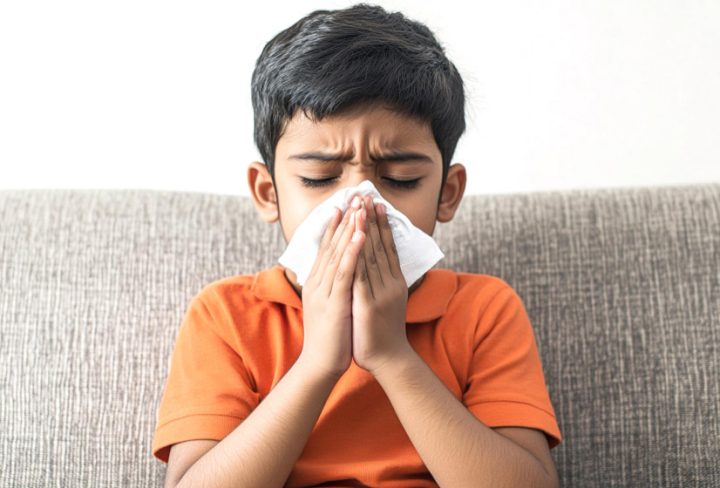
What is Bronchiolitis in Children?
Bronchiolitis in children is a common lung infection. It mostly affects babies and young kids under two years old. The illness causes swelling in the small airways of the lungs, called bronchioles. Because of this, breathing can become hard. Usually, bronchiolitis starts with cold-like symptoms. However, it can get worse quickly. Many parents worry about bronchiolitis in children, especially during winter months. According to the CDC, bronchiolitis is a leading cause of hospital visits for infants.
Common Symptoms
At first, bronchiolitis in children may look like a simple cold. But symptoms can change over time. For example, your child may start with a runny nose. Soon after, other signs may appear.
Sometimes, symptoms get worse in just a few days. Therefore, it is important to watch your child closely.
Causes and Risk Factors
Bronchiolitis in children is usually caused by a virus. Most often, the culprit is the respiratory syncytial virus (RSV). However, other viruses like influenza and parainfluenza can also cause it. The infection spreads easily through coughs, sneezes, or touching surfaces. Because young children have smaller airways, they are more likely to get sick.
Some risk factors include:
In many cities, bronchiolitis cases rise during the winter and early spring.
How Bronchiolitis is Diagnosed
Doctors diagnose bronchiolitis in children by checking symptoms and doing a physical exam. Usually, no special tests are needed. However, in some cases, a doctor may order a chest X-ray or a nose swab. These tests help rule out other problems. Sometimes, doctors check oxygen levels with a small device on the finger. Because symptoms can look like other illnesses, it is important to see a doctor for a correct diagnosis.
Treatment Options
Most children with bronchiolitis get better at home. There is no cure for the virus itself. Instead, treatment focuses on easing symptoms. For example, doctors may suggest:
Antibiotics do not help, since bronchiolitis is caused by a virus. However, some children may need hospital care. This is more likely if they have trouble breathing or cannot eat.
Home Care and Lifestyle Tips
While your child recovers, home care is very important. For instance, you can:
Additionally, wash your hands often to prevent spreading the virus. If you have questions, always ask your doctor.
Prevention Strategies
Although you cannot prevent all cases, you can lower the risk. For example:
Some high-risk children may get special medicine to help prevent RSV. Talk to your doctor if you think your child is at risk.
When to See a Doctor
Sometimes, bronchiolitis in children can become serious. Therefore, seek medical help right away if your child:
Early care can help prevent complications. If you are unsure, it is always best to call your pediatrician.
In summary, bronchiolitis in children is common but can be serious. With the right care, most children recover well. Consult a pediatrician for personalized advice on bronchiolitis in children.