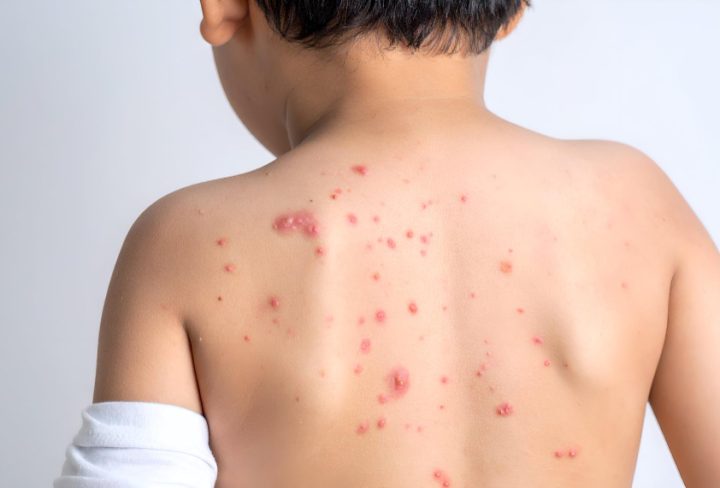
What Is Chickenpox (Varicella)?
Chickenpox in children is a common illness caused by the varicella-zoster virus. It usually leads to an itchy rash and small, red spots or blisters. Most children get chickenpox at some point, especially if they have not been vaccinated. Although many people think chickenpox is always mild, it can sometimes cause serious problems. Because of this, it is important for parents to know the facts and avoid common myths.
Common Myths About Chickenpox in Children
Myth 1: Only Children Get Chickenpox
Many people believe that only children can get chickenpox. However, adults can get it too. In fact, chickenpox can be more severe in teens and adults. According to the Centers for Disease Control and Prevention (CDC), adults who catch chickenpox are more likely to have complications. Therefore, it is important for everyone, not just children, to be protected.
Myth 2: Chickenpox Is Always Mild
Some parents think chickenpox is just a mild illness. While most children recover without problems, some can get very sick. Complications like skin infections, pneumonia, or swelling of the brain can happen, especially in babies, teens, or those with weak immune systems. So, chickenpox is not always mild and should be taken seriously.
Myth 3: Once You Have Chickenpox, You’re Immune for Life
It is true that most people who have had chickenpox will not get it again. However, the virus stays in the body and can reactivate later as shingles, a painful skin rash. Because of this, even after chickenpox, some people may face health issues years later.
Myth 4: The Chickenpox Vaccine Is Unsafe
Some parents worry that the chickenpox vaccine is not safe. However, studies from the CDC and World Health Organization show that the vaccine is very safe and effective. Side effects are usually mild, such as a sore arm or mild rash. Serious side effects are very rare. Therefore, the vaccine is a safe way to protect children from chickenpox.
Myth 5: Natural Infection Is Better Than Vaccination
Some people believe it is better for children to catch chickenpox naturally. However, natural infection can lead to serious health problems. The vaccine gives strong protection without the risks of the disease. Because of this, experts recommend vaccination over natural infection.
Myth 6: Chickenpox Parties Are a Good Idea
In the past, some parents held “chickenpox parties” to expose children to the virus. However, this is risky. Children can develop severe complications, and the virus can spread to babies or people with weak immune systems. Instead, vaccination is the safest way to protect children.
Myth 7: You Can’t Get Chickenpox After the Vaccine
Although the vaccine is very effective, it is still possible, though rare, to get chickenpox after vaccination. However, these cases are usually much milder and have fewer blisters. Because of this, vaccination still offers strong protection.
Symptoms and Diagnosis of Chickenpox in Children
Chickenpox in children often starts with mild symptoms. These may include:
After these early signs, an itchy rash appears. The rash turns into small, fluid-filled blisters. These blisters then scab over. Usually, the rash starts on the face, chest, or back and spreads to other parts of the body. Doctors can often diagnose chickenpox by looking at the rash. Sometimes, they may order a lab test to confirm.
Prevention and Vaccination Facts
Vaccination is the best way to prevent chickenpox in children. The chickenpox vaccine is safe and very effective. Most children should get two doses, starting at 12 to 15 months old, with a second dose at 4 to 6 years old. According to the CDC, the vaccine prevents almost all severe cases. In addition, it helps protect others who cannot get vaccinated, such as babies or people with weak immune systems.
When to See a Doctor
Most children recover from chickenpox at home. However, you should call a doctor if your child:
Early medical care can help prevent serious problems. If you are unsure, it is always best to ask your doctor.
In summary, knowing the facts about chickenpox in children helps you make safe choices. Do not rely on myths. Instead, talk to your pediatrician for advice about chickenpox prevention and care.