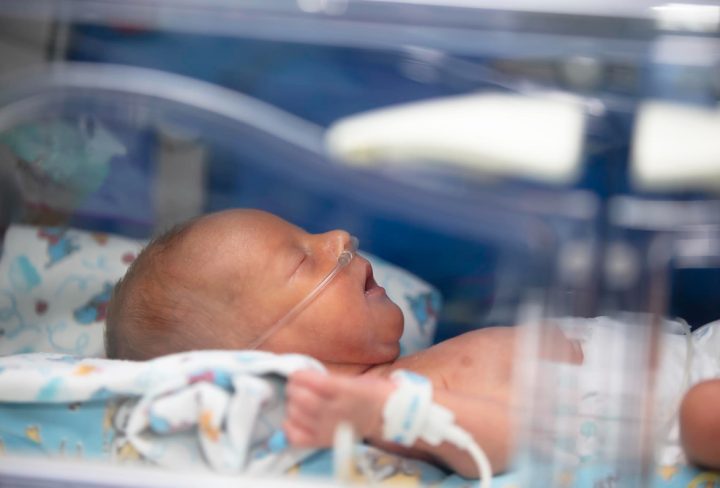
What is RSV Infection?
Respiratory Syncytial Virus, or RSV, is a common virus. It mainly affects the lungs and breathing passages. RSV infection in infants can cause mild, cold-like symptoms. However, it can sometimes lead to serious health problems, especially in babies. Because RSV spreads easily, it is a leading cause of respiratory illness in young children worldwide. According to the CDC, most children get RSV by age two. Yet, infants under six months are at higher risk for severe illness.
Why Are Infants at Risk?
Infants have smaller airways and weaker immune systems. As a result, they are more likely to have trouble fighting off RSV. For example, babies born early (premature) or those with heart or lung problems face even higher risks. Additionally, infants under six months old may not have strong enough defenses to handle the virus. Because of these factors, RSV can quickly become serious in young babies.
Common Complications of RSV in Infants
While many infants recover from RSV with mild symptoms, some develop complications. These can be serious and may require medical care. Below are the most common complications of RSV in babies:
Because these complications can be serious, it is important to watch for warning signs in your baby.
Signs and Symptoms of Complications
Early detection of RSV complications can help prevent severe illness. Watch for these signs in your infant:
If you notice any of these symptoms, seek medical help right away. Early care can make a big difference.
Diagnosis and When to Seek Medical Help
Doctors diagnose RSV infection in infants by checking symptoms and sometimes using lab tests. For example, they may take a nasal swab to confirm the virus. If your baby has trouble breathing, is not eating, or looks very tired, call your doctor. In addition, if your infant is younger than three months and has a fever, get medical advice quickly. Because RSV can worsen fast, do not wait if you are worried.
Prevention and Home Care Tips
While you cannot always prevent RSV, you can lower your baby’s risk. Here are some helpful tips for parents and caregivers:
If your baby has mild RSV, keep them comfortable at home. For example, use a cool-mist humidifier and offer fluids often. However, if symptoms worsen, seek medical care right away.
Frequently Asked Questions (FAQs)
In summary, RSV infection in infants can lead to serious complications. But, with early care and prevention, most babies recover well. If you have concerns about RSV or your baby’s health, consult your pediatrician for personalized advice.