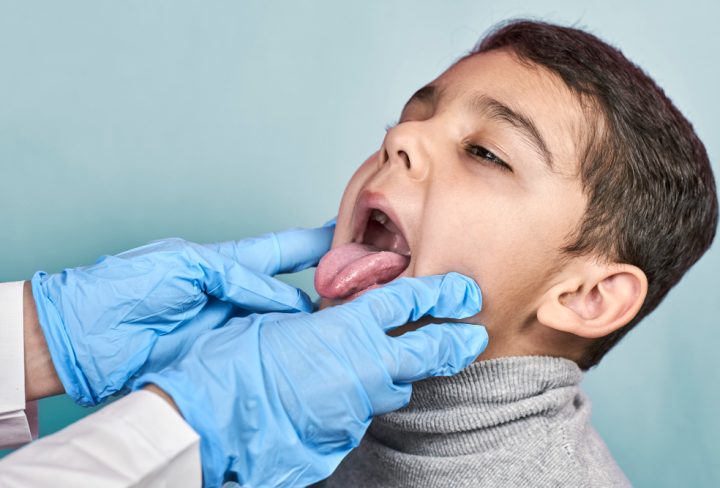
What is Tonsillitis in Children?
Tonsillitis is a common infection in children. It happens when the tonsils, which are small glands at the back of the throat, become swollen and sore. Often, this illness makes it hard for kids to swallow or talk. Because tonsillitis can spread easily, many parents want to know how to prevent tonsillitis in children. Understanding the basics can help you keep your child healthy.
Common Causes of Tonsillitis
Most cases of tonsillitis are caused by viruses. Sometimes, bacteria like Streptococcus (strep throat) can also lead to this infection. In addition, close contact with someone who is sick increases the risk. Children often catch tonsillitis at school or daycare. Knowing the childhood tonsillitis causes can help you take steps to protect your child.
Recognizing Symptoms Early
Early detection is important. If you notice signs of tonsillitis, you can act quickly. Common symptoms include:
If your child shows these symptoms, it is best to monitor them closely. Early care can help prevent complications.
Proven Ways to Prevent Tonsillitis in Children
There are several tonsillitis prevention tips you can follow. These steps lower your child’s risk of getting sick. For best results, try to make these habits part of your daily routine:
By following these tips, you can help prevent tonsillitis in children and reduce the spread of germs.
Healthy Habits for Kids’ Throat Health
Keeping your child’s throat healthy is key. In addition, healthy habits can make a big difference. Here are some simple ways to support your child’s throat health:
With these habits, you can help keep kids’ throats healthy and strong.
When to See a Pediatrician
Sometimes, tonsillitis needs medical care. If your child has a sore throat that lasts more than two days, see a pediatrician. Also, if your child has trouble breathing, high fever, or cannot swallow, seek help right away. Early treatment can prevent serious problems. Your doctor can suggest the best care for your child’s needs.
Frequently Asked Questions (FAQs)
Conclusion & Call-to-Action
In summary, you can prevent tonsillitis in children by teaching good hygiene and healthy habits. Early action and regular care help keep your child’s throat healthy. For the best advice, consult a pediatrician for personalized advice on preventing tonsillitis in your child.