Introduction to Neonatal Jaundice
Neonatal jaundice is a common condition in newborns. It causes a yellow color on the skin and eyes. In fact, about 60% of babies in the United States develop jaundice in their first week. This happens because a newborn’s liver is still growing. As a result, it may not remove bilirubin, a yellow substance, from the blood quickly enough. Phototherapy for neonatal jaundice is a safe and effective treatment that helps babies recover faster.
Symptoms and Signs Parents Should Watch For
It is important for parents to know the signs of jaundice in babies. Early detection helps prevent problems. Look for these symptoms:
If you notice any of these signs, contact your doctor right away. Early care can make a big difference.
Causes and Risk Factors of Neonatal Jaundice
There are several reasons why newborns get jaundice. Most cases are harmless and go away on their own. However, some babies are at higher risk. Common causes include:
Because of these factors, doctors watch newborns closely in the first days of life.
Diagnosis: How Doctors Identify Jaundice in Newborns
Doctors use both physical exams and tests to check for jaundice. First, they look at the baby’s skin and eyes. Next, they may use a special device to measure bilirubin through the skin. If needed, a blood test confirms the level of bilirubin. This helps decide if treatment, like phototherapy for neonatal jaundice, is needed.
Phototherapy for Neonatal Jaundice
What Is Phototherapy and How Does It Work?
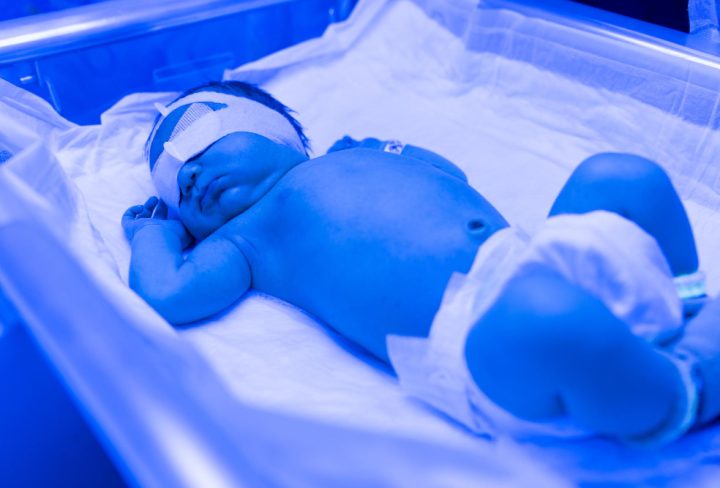
Phototherapy is a light treatment for newborn jaundice. It uses special blue lights to break down bilirubin in the baby’s skin. As a result, the body can remove bilirubin more easily. This treatment is safe and widely used in hospitals around the world.
Types of Phototherapy
There are different types of phototherapy for neonatal jaundice. Each type uses light in a slightly different way:
Doctors choose the best type based on the baby’s needs and hospital resources.
What to Expect During Treatment
During phototherapy, your baby will wear only a diaper and eye protection. This allows the light to reach as much skin as possible. Nurses check your baby’s temperature, hydration, and bilirubin levels often. Usually, treatment lasts one to two days. However, some babies may need longer care. Parents can often visit and comfort their baby during treatment.
Benefits and Effectiveness
Phototherapy for neonatal jaundice is very effective. It lowers bilirubin levels quickly and safely. Most babies improve within a few days. Because it is non-invasive, there is no pain. Studies from the World Health Organization and CDC show that phototherapy reduces the risk of serious problems from jaundice.
Possible Side Effects and Safety
Phototherapy is safe for newborns. Still, some mild side effects can happen. These may include:
Serious side effects are rare. If you have concerns, talk to your doctor. They will explain the risks and benefits for your baby.
Home Care Tips and Parental Guidance During Phototherapy
While your baby is getting phototherapy, you can help in several ways. For example, make sure your baby feeds often. This helps remove bilirubin through urine and stool. Also, keep track of wet diapers and bowel movements. If you notice fewer than six wet diapers a day, tell your nurse or doctor. Additionally, comfort your baby with gentle touch or soothing words. If you have questions, ask the care team for support.
Prevention and When to Seek Medical Help
Although not all cases of jaundice can be prevented, there are steps you can take. For instance, feed your baby regularly, especially in the first days. This helps lower bilirubin levels. Watch for signs of jaundice at home. If you see yellow skin or eyes, or if your baby is very sleepy or not feeding well, seek medical help right away. Early treatment prevents serious problems.
Conclusion
Neonatal jaundice is common and treatable. Phototherapy for neonatal jaundice is safe, effective, and helps most babies recover quickly. However, always watch for signs of jaundice in babies. If you notice any symptoms, consult a pediatrician for personalized advice. Early care ensures the best outcome for your newborn.