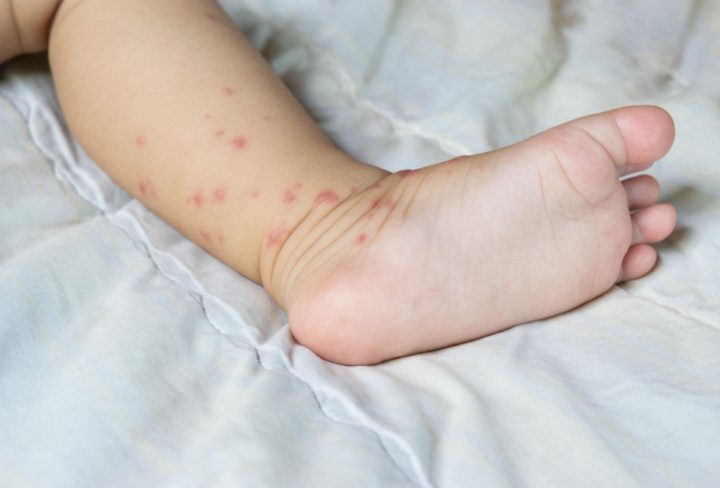
What is Hand, Foot, and Mouth Disease?
Hand, Foot, and Mouth Disease (HFMD) is a common illness in children. It is caused by viruses, most often coxsackievirus. Usually, it leads to a mild infection. However, it can spread quickly in places like schools and daycare centers. Most children recover within a week, but it is important to know how to prevent and manage it.
How Contagious is Hand, Foot, and Mouth Disease?
HFMD is highly contagious, especially among young children. In fact, the virus spreads easily from person to person. According to the Centers for Disease Control and Prevention (CDC), outbreaks often happen in childcare settings. Children under five years old are most at risk. Although adults can get it, they usually have milder symptoms or none at all. Because the virus spreads so easily, quick action helps prevent larger outbreaks.
How Does Hand, Foot, and Mouth Disease Spread?
HFMD spreads through close contact. For example, the virus can pass from one child to another by:
Because the virus can live on surfaces, it is important to clean toys and hands often. Even after symptoms go away, children can still spread the virus for days or weeks. Therefore, good hygiene is key to stopping the transmission of hand, foot, and mouth disease.
Recognizing Symptoms in Children
Early signs of HFMD in children can be mild. However, symptoms usually appear three to six days after exposure. Watch for these common symptoms:
Sometimes, children may also have a rash on the buttocks or legs. Not every child will have all symptoms. Still, if you notice these signs, keep your child home and watch for changes.
Prevention Tips for Parents and Caregivers
Because preventing HFMD outbreaks is important, parents and caregivers should follow these tips:
Additionally, remind children to avoid touching their eyes, nose, or mouth. These simple steps can help reduce the spread of hand, foot, and mouth disease in your community.
When to See a Doctor
Most cases of HFMD in children are mild. However, you should contact a doctor if:
Early medical advice can help prevent complications. In rare cases, HFMD can lead to more serious problems, so it is better to be cautious.
Conclusion and Call-to-Action
In summary, hand, foot, and mouth disease is very contagious, especially among young children. However, with good hygiene and quick action, you can help prevent its spread. If your child shows symptoms, keep them home and monitor their health. Consult a pediatrician for personalized advice if your child shows symptoms of Hand, Foot, and Mouth Disease.