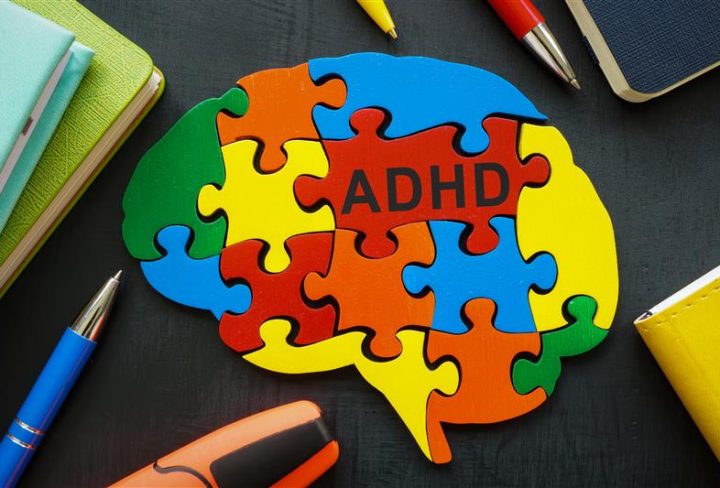
What is ADHD in Kids?
ADHD in kids is a common brain condition. It affects how children pay attention, sit still, and control their actions. Many parents notice ADHD symptoms in children, such as trouble focusing or being very active. Because of this, some kids may struggle at school or home. However, with the right support, children with ADHD can thrive. According to the CDC, ADHD is one of the most studied childhood disorders.
Why Myths About ADHD Matter
Many people believe things about ADHD that are not true. These myths can cause confusion and make it harder for kids to get help. For example, some myths may lead to shame or blame. Others may stop families from seeking treatment. Therefore, it is important to know the facts about ADHD. When we understand the truth, we can better support children and their families.
Common Myths About ADHD in Kids
How to Support Children with ADHD
Supporting a child with ADHD takes patience and understanding. First, learn about the facts about ADHD. Next, create routines at home. For example, set regular times for homework and play. In addition, use clear and simple instructions. Praise your child for their efforts, not just results. If needed, talk to teachers about classroom support. Many schools offer help for children with ADHD symptoms. You can also look for ADHD resources in your area or online.
When to Seek Professional Help
If you notice signs of ADHD in your child, such as trouble focusing or sitting still, consider talking to a pediatric specialist. Early help can make a big difference. Moreover, if your child struggles at school or home, a doctor can guide you. They may suggest tests or refer you to an ADHD expert. Remember, getting help is a sign of care, not failure.
Conclusion
ADHD in kids is often misunderstood. However, knowing the facts helps children get the support they need. Do not let myths stop you from seeking help. Consult a pediatric specialist for personalized guidance on ADHD in children.